Back to shelf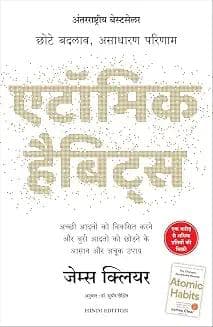
ReadingProductivitySelf Improvement
Atomic Habits
by James Clear
A practical guide to building good habits, breaking bad ones, and creating systems for continuous improvement. Instead of relying on motivation, the book emphasizes small daily improvements that compound over time, making it valuable for developers, entrepreneurs, and lifelong learners.
Reading progress30%
Progress30%
“
From the book
A practical guide to building good habits, breaking bad ones, and creating systems for continuous improvement. Instead of relying on motivation, the book emphasizes small daily improvements that compound over time, making it valuable for developers, entrepreneurs, and lifelong learners.
Catalog Card
Pages320
PublisherAvery
Checked out
Jun 2026
ProductivitySelf Improvement
Dog-eared pages
Key Takeaways
01
Small improvements compound into remarkable long-term results.
02
Focus on building systems instead of chasing goals.
03
Identity-based habits are more sustainable than outcome-based habits.
— torn from the notebook —
This book changed the way I approach personal growth. Instead of setting unrealistic goals, I now focus on improving my daily systems.
The idea of becoming the type of person who naturally performs a habit was more impactful than simply trying to achieve a specific result.
I realized that even one percent improvement each day can create significant long-term progress. This principle applies equally to learning programming, exercising, and building products.
The chapters on environment design encouraged me to organize my workspace in a way that makes productive habits easier and distractions harder.
One of the biggest lessons is that motivation is unreliable, while well-designed systems continue working even on difficult days.
This book has influenced how I plan my learning, work, and fitness routines by focusing on consistency instead of perfection.
Where to find it
More like this
Checkout Slip
recommended titles
01Deep WorkReading
by Cal Newport★★★★★
02The Pragmatic ProgrammerReading
by Andrew Hunt & David Thomas★★★★★
— thank you for reading —